Scalable Solutions for Every Stage
- Scalability & Flexibility
- Real-Time Analytics & Reporting
- User-Centric Interface
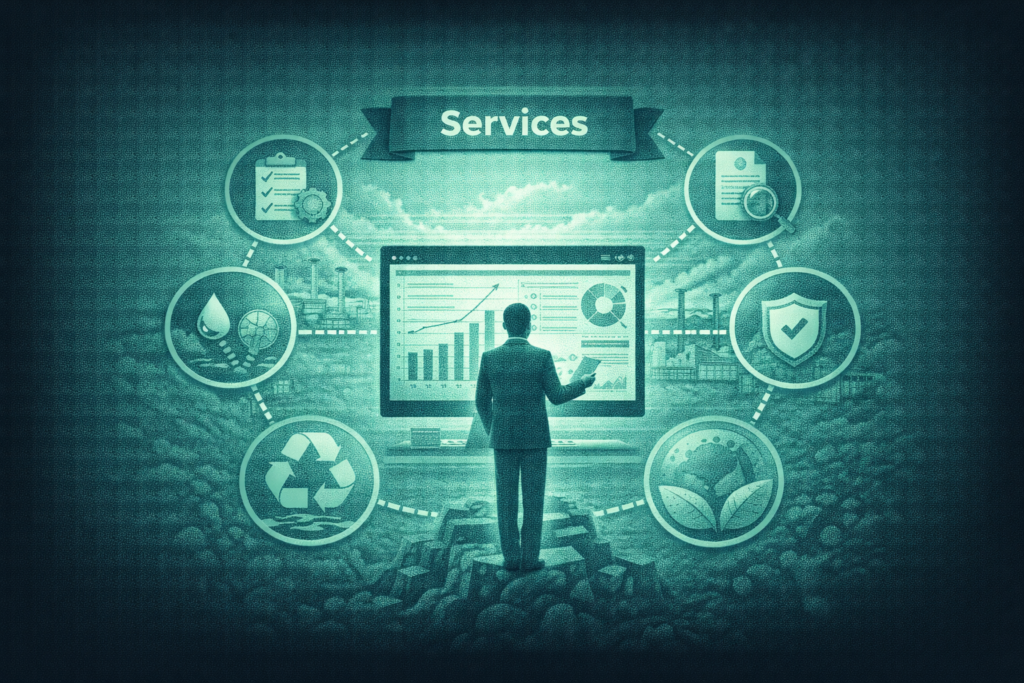
Our Services
End-to-End Solutions to Empower Your Business
our-solutions

Energy Efficiency
Captures energy consumption by site, asset, process, and utility stream, then converts the data into performance views
Energy review and baseline analysis; utility and fuel data normalization; intensity KPI analysis; benchmarking; trend analysis; opportunity register logic; measurement and verification principles aligned with continuous improvement and ISO 50001-style energy management.
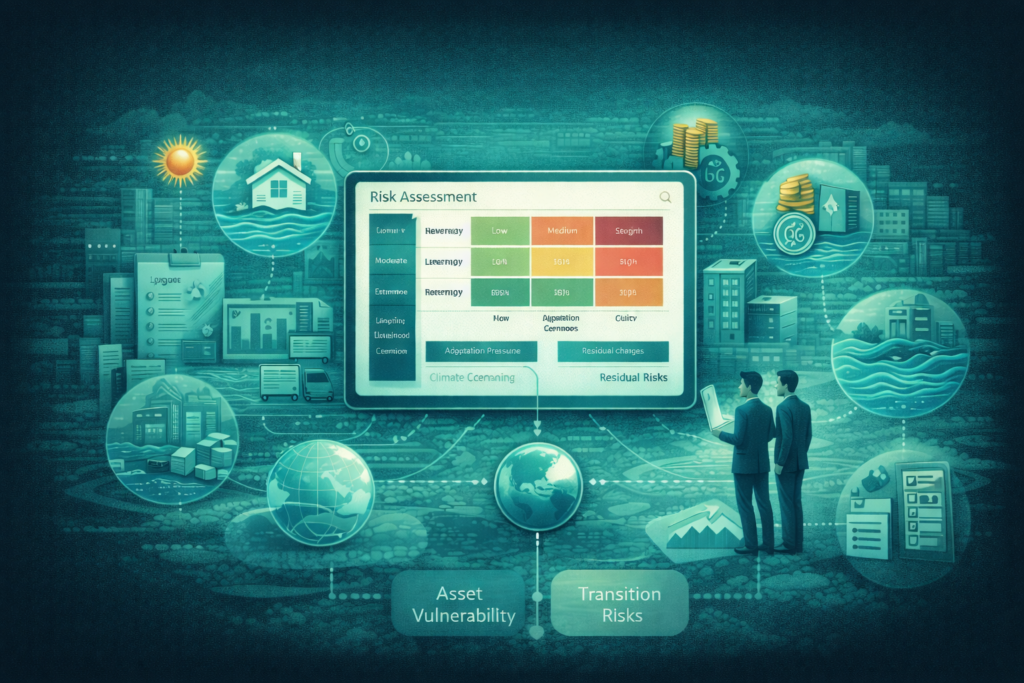
Climate Risk Management
Assesses physical and transition climate risks affecting assets, operations, supply chains, and long-term investment
Risk-based methodology using likelihood × severity scoring, physical and transition risk registers, scenario analysis informed by IPCC/NGFS-type pathways, asset vulnerability screening, action planning, and residual risk review.

GHG & Carbon Footprint
Calculates greenhouse gas emissions across Scope 1, Scope 2, and selected Scope 3 categories using activity data
Core formula: CO2e = Activity Data × Emission Factor. Uses activity-based accounting, official or recognized emission factor libraries, IPCC AR6 100-year global warming potentials where applicable, scope mapping, intensity KPIs, and structured QA/QC checks.

Water Management & Water Footprint
Tracks water use, wastewater, reuse, discharge, and water-related performance across facilities
Water balance logic; source/use/discharge mapping; intensity KPI analysis; leakage and abnormal-use review; reuse and recycling tracking; where relevant, water footprint concepts aligned with process/activity data and recognized stewardship principles
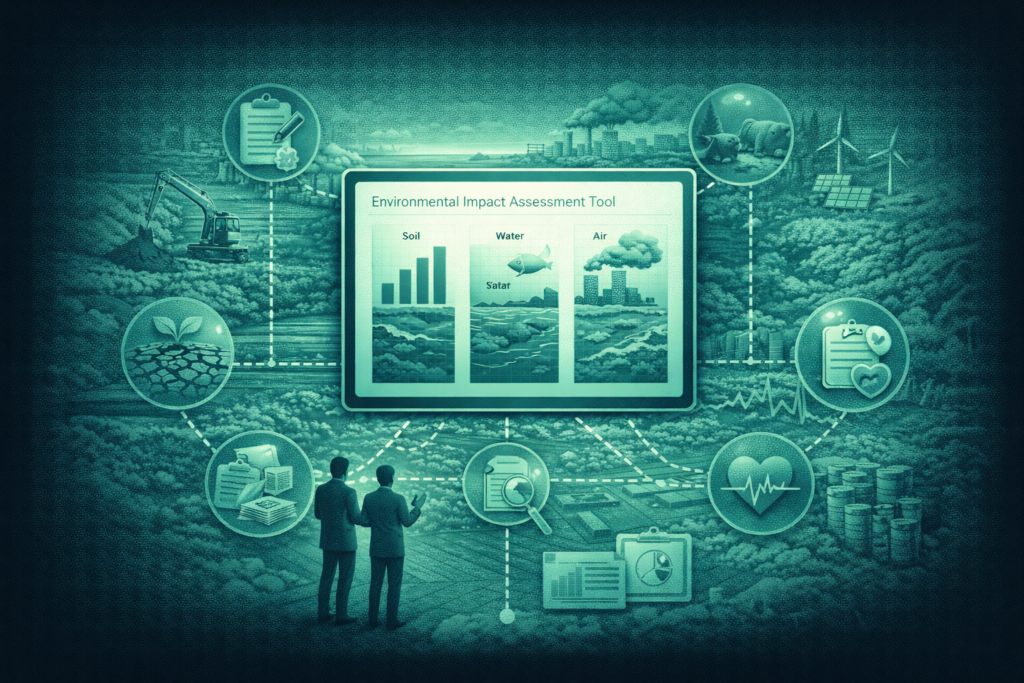
Environmental Impact Monitoring & Compliance
Centralizes monitoring data for air, water, noise, soil, emissions, discharge, and other parameters
Monitoring-and-compliance methodology using parameter registers, sampling/event logs, threshold and limit libraries, exceedance analytics, trend review, corrective action tracking, and jurisdiction-specific rule mapping.

HSE
Manages occupational health, safety, and broader QHSSE controls through records,
Risk-based management using likelihood × severity scoring, incident investigation methods such as 5 Whys and fishbone analysis, action tracking, KPI monitoring, audit and inspection workflows, and alignment with ISO 45001 and integrated management system principles.

Waste & Circular Economy
Tracks waste generation, segregation, reuse, recycling and circular initiatives across projects, facilities
Mass-flow and material-stream tracking; treatment-route classification; circular opportunity screening; KPI dashboards for generation, recovery, and disposal. Waste hierarchy logic; diversion-rate analysis;

Green Building
Evaluates asset performance across energy, water, indoor environmental quality, materials, operations, and renewable energy
Asset-level sustainability assessment using building performance KPIs, energy and water intensity metrics, renewable share indicators, green building criteria mapping, and improvement roadmaps aligned with recognized building sustainability frameworks.

Supply Chain
Provides structured visibility over supplier, compliance, risk, evidence, and performance information
Supplier risk segmentation; evidence-based scoring; compliance and document tracking; performance history review; risk-weighted screening; action follow-up; and value-chain governance logic aligned with ESG due diligence concepts
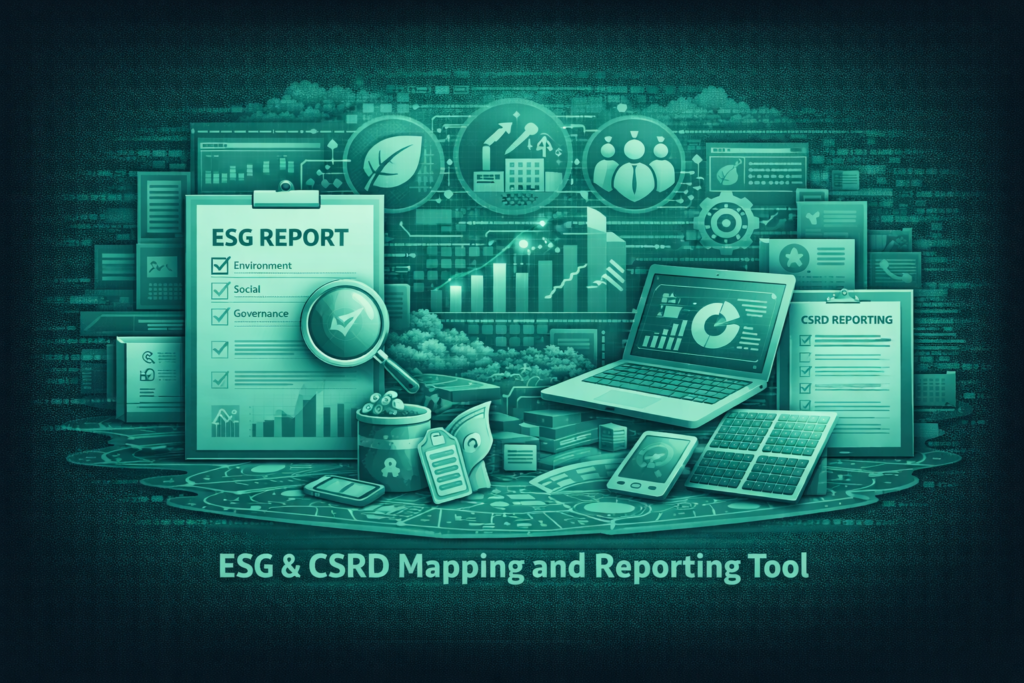
ESG & CSRD Mapping and Reporting
Maps operational, environmental, social, governance, and QHSSE data to disclosure requirements and creates structured reporting views for ESG, CSRD/ESRS, management dashboards
Requirement-mapping methodology linking data points, KPIs, narratives, evidence references, and ownership to reporting frameworks such as ESRS, selected CSRD concepts, material topic mapping, and internal reporting controls.
Assessment tools
Environmental Impact Assessment
Supports structured environmental impact assessment baseline review
EIA methodology based on screening, scoping, baseline characterization, receptor-pathway-impact analysis, significance evaluation, mitigation hierarchy, and monitoring recommendations, aligned with common EI
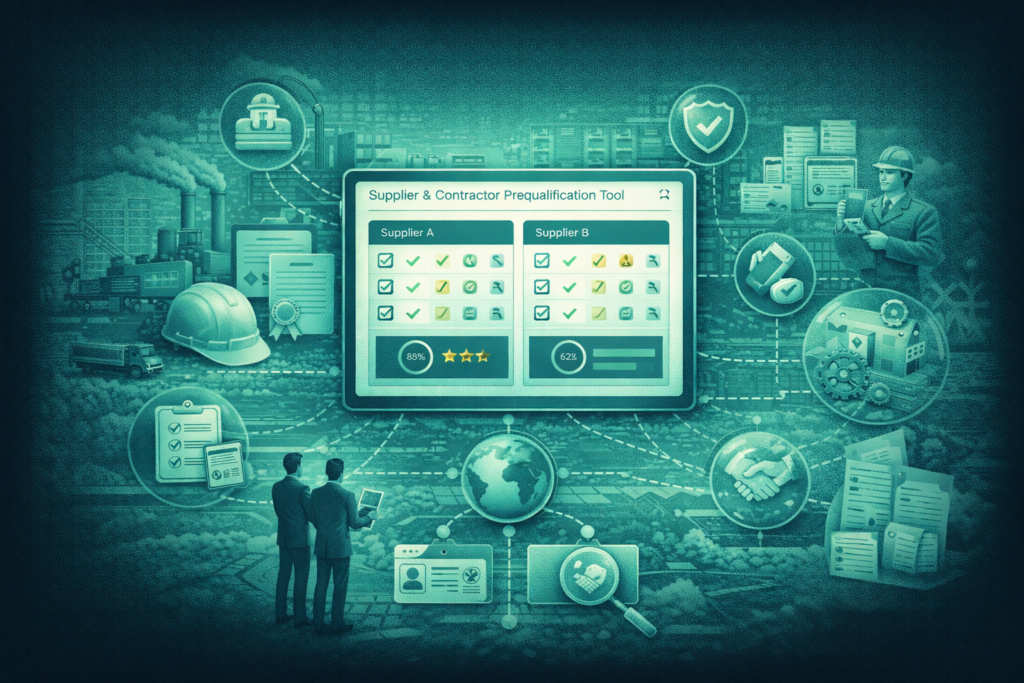
Supplier & Contractor prequalification
Assesses vendors and contractors before engagement
Weighted prequalification scoring with pass/fail gates, document verification, technical and HSE criteria review, high-risk work controls, evidence registers, and composite vendor rating logic.

LCA
Estimates life-cycle environmental impacts of products
Life-cycle assessment logic based on inventory data, system boundaries, life-cycle stages,impact categories, allocation assumptions where needed, and recognized LCA framework principles such as ISO 14040/14044-style structure.
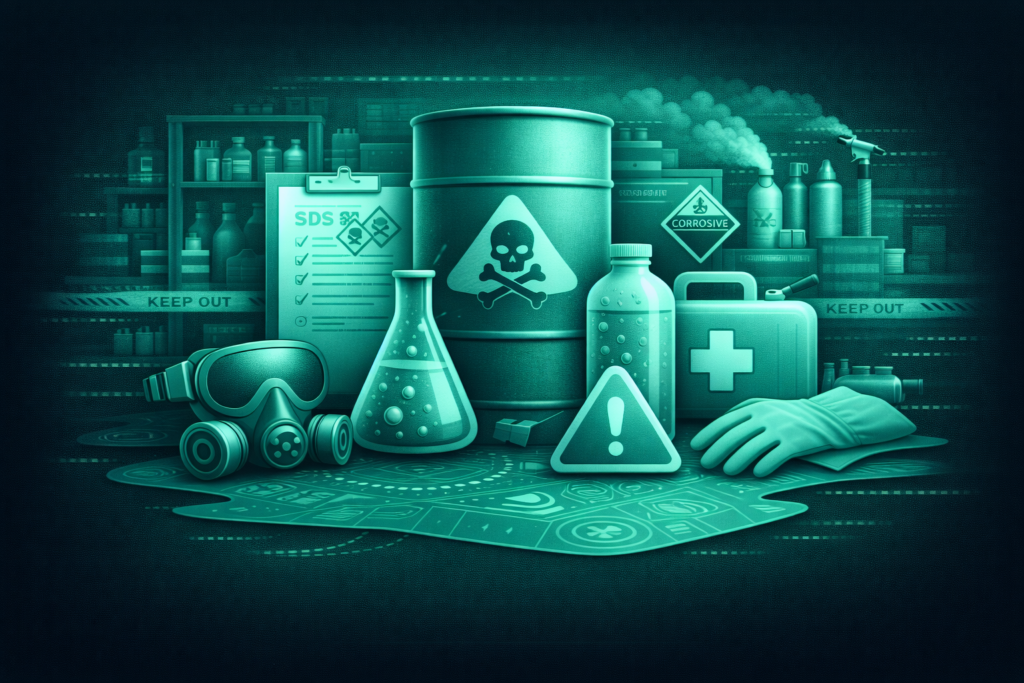
Chemical Storage and Safety
(COMINING SOON)
Organizes chemical inventories, compatibility controls, storage requirement
Hazard-based control methodology using chemical classification, compatibility and segregation matrices, SDS-driven storage rules, inspection checklists, emergency response logic, and good-practice chemical safety management.
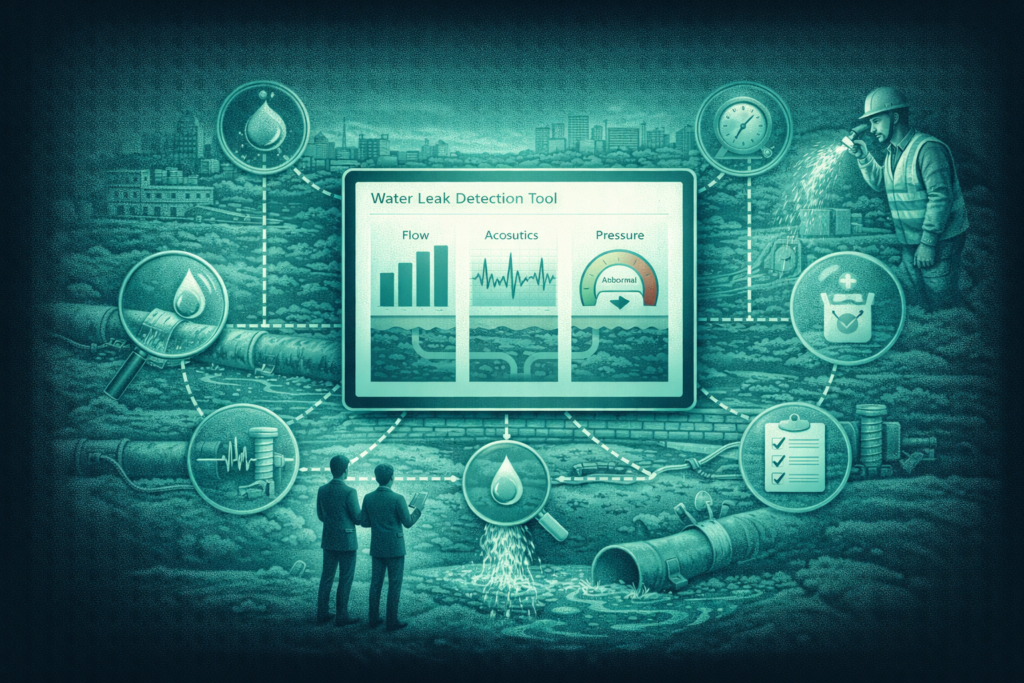
Water Leak
(COMINING SOON)
Focuses on early identification, logging, prioritization, and follow-up of water leaks
Leak management methodology using meter and sub-meter review, exception and variance detection, incident logging, root cause tracking, maintenance action follow-up, and before/after performance verification.
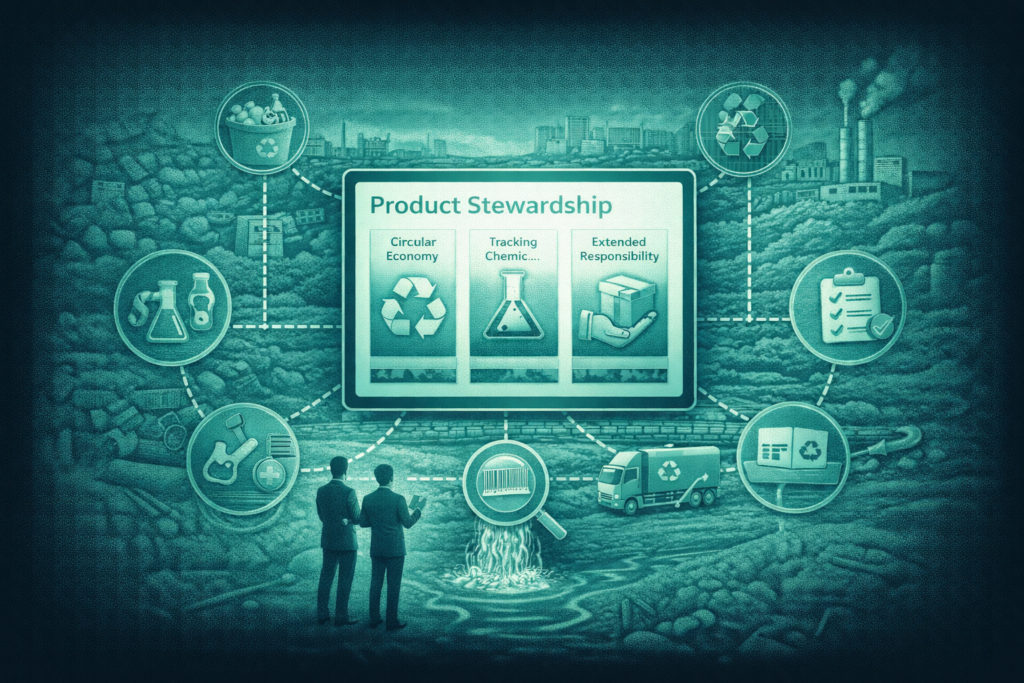
Product Stewardship
(COMINING SOON)
Tracks substances, materials, components, supplier declarations
Product stewardship methodology using material and substance database logic, regulatory screening, restricted substance monitoring, supplier evidence management, product risk assessment, document control, and change management workflows
Frequently Asked Questions
1. What services does METRIQOm® provide?
Metriqom® provides three enterprise-grade product lines: the ESG Suite covering GHG accounting, energy, water, waste, climate risk, HSE, and green building; the Environmental Impact Assessment (EIA) toolset for full-lifecycle environmental and social impact analysis; and Supplier Intelligence, an AI-powered platform for supplier pre-qualification, ESG scoring, and discovery.
2. Who are these services designed for?
Metriqom® is designed for enterprise organisations, government entities, and regulated industries that need to measure, manage, and report on environmental, social, and governance performance — including energy-intensive sectors, construction, supply chain-heavy industries, and organisations operating under UAE or international ESG regulatory requirements.
3. What is included in the EIA tools?
The EIA toolset covers eight sub-modules: Contamination Screening, EIA Mapping, Risk Assessment, Social Impact Assessment, Remediation Frameworks, Remediation Plans, Contaminant Library, and Site Maps — supported by an Environmental Impact Monitoring module for real-time data tracking and corrective action management.
4. How does METRIQOm® ensure compliance with regulations?
Metriqom® ensures compliance by aligning every ESG module to globally recognised standards including GHGP, ISO 14064, ISO 50001, ISO 45001, TCFD, GRI, SASB, and UAE regulations. Data privacy compliance is enforced through tenant isolation, AES encryption, PBKDF2 password hashing, TLS transport, and a formal Data Processing Agreement covering GDPR obligations. All platform activity is backed by immutable audit logs and secrets management via AWS Secrets Manager.
5. Does METRIQOm® provide real-time data insights?
Yes. Metriqom® delivers real-time insights through live monitoring dashboards in the Environmental Impact Monitoring module, AI-generated risk scores and analytics across the ESG Suite, and dynamic supplier scoring updated as evidence and questionnaire data is submitted. The platform continuously processes sensor and batch data uploads, flagging limit exceedances and triggering corrective actions instantly.